Krakus Mound sits in the Podgórze district, on the southern edge of Krakow, rising about 16 meters above the surrounding landscape. Staying in a central hotel means you're typically in the Old Town or close to it - reachable from the mound by tram or a short taxi ride, while still having Wawel Castle, Kazimierz, and the Main Market Square within walking distance. This guide covers 5 centrally located hotels in Krakow that give you the best balance between access to Krakus Mound and the rest of the city's key attractions.
What It's Like Staying Near Krakus Mound
Krakus Mound is located in the quiet Podgórze district, a residential and increasingly trendy neighborhood on the south bank of the Vistula River. Unlike the Old Town or Kazimierz, the immediate surroundings of the mound are low-traffic, mostly local, and without hotel infrastructure - which means visitors staying "near" the mound in practical terms are almost always basing themselves in central Krakow, roughly 4 kilometers away. Tram lines 3, 6, and 13 connect the city center to Podgórze reliably, making the mound accessible in around 20 minutes from the Old Town without a car.
The mound itself is free to visit and open year-round, sitting above Liban Quarry and offering a panoramic view of Krakow's skyline rarely seen in tourist photography. Staying centrally gives you the flexibility to pair a morning visit to Krakus Mound with an afternoon in Kazimierz or along the Vistula riverbank.
Pros:
- Central hotels put you within walking distance of the Main Market Square, Wawel Castle, and Kazimierz, giving you far more daily flexibility than a Podgórze-only stay
- Tram access from central Krakow to Podgórze is frequent and inexpensive, making Krakus Mound an easy half-day excursion
- Central areas like the Old Town have far more dining, nightlife, and museum options concentrated within a few blocks
Cons:
- You won't be able to walk to Krakus Mound from a central hotel - transport is required every time
- The Old Town can be noisy at night, especially on weekends when bachelor and hen parties are common
- Central hotels tend to charge a significant location premium compared to equivalent properties further out
Why Choose Central Hotels Near Krakus Mound
Central hotels in Krakow occupy a distinct market position: they sit within or adjacent to the UNESCO-listed Old Town, which means guests trade space for proximity to multiple major attractions simultaneously. For visitors whose itinerary includes Krakus Mound alongside Wawel Castle, the Jewish Quarter, and Schindler's Factory Museum, a central base is strategically more efficient than staying in Podgórze itself. Central hostels and budget hotels in Krakow typically start from around €20-30 per night, while mid-range centrally located properties run higher - but the transport savings and time efficiency often offset the cost difference.
Room sizes in central Krakow properties skew smaller than suburban equivalents, especially in historic tenement buildings where retrofitted rooms rarely exceed 20 square meters in the budget category. What you gain is walkability: most central options put you within 10 minutes on foot of tram stops serving Podgórze directly. Noise levels near the Rynek Główny (Main Market Square) can be disruptive Friday through Sunday nights, so room placement - especially above the second floor - matters more than in quieter districts.
Pros:
- A central location lets you combine Krakus Mound with Wawel Castle, Schindler's Factory, and Kazimierz in a single day without backtracking
- Central properties offer the widest variety of price tiers, from budget hostels to mid-range aparthotels, all within a compact area
- Proximity to Krakow Central Railway Station makes day trips to Wieliczka Salt Mine and Auschwitz-Birkenau straightforward
Cons:
- Rooms in central Old Town buildings are often smaller and more expensive per square meter than comparable properties in Kazimierz or Podgórze
- Weekend noise from Krakow's active nightlife scene is a genuine issue in the most central addresses
- Parking in the city center is limited and expensive - drivers are better served by properties with free on-site parking slightly outside the core
Practical Booking & Area Strategy
For visitors prioritizing access to Krakus Mound, the most useful central positioning is in the southern part of the Old Town or in Kazimierz - both are closer to the Vistula River and to tram stops on Starowiślna and Krakowska streets that run directly into Podgórze. Kazimierz-adjacent hotels can shave around 5 minutes off the journey to Krakus Mound compared to properties on the northern side of the Old Town near St. Florian's Gate.
Krakow's peak tourist season runs from May through September, with August being the most congested and expensive month. Booking at least 6 weeks in advance for summer stays is strongly advised, particularly for well-reviewed central properties that sell out fast. For visits focused on Krakus Mound - which is less of a mainstream tourist draw and more of a local and historically curious destination - spring (April-May) and autumn (September-October) offer the best combination of mild weather, manageable crowds, and lower nightly rates. The mound's hilltop viewpoint is most rewarding on clear days, so checking forecasts before committing to a day visit is practical.
Beyond Krakus Mound, the Podgórze district also contains Schindler's Factory Museum, the Liban Quarry (with WWII-era film set remnants), and the Ghetto Heroes Square - making a half-day in the area substantive enough to justify the tram ride. Wawel Castle is just 2 kilometers from the mound and walkable along the river, so combining both in one outing is entirely feasible from a central base.
Best Value Stays
These centrally located options offer strong price-to-location ratios for visitors wanting easy access to Krakow's major sights, including Krakus Mound via public transport.
-
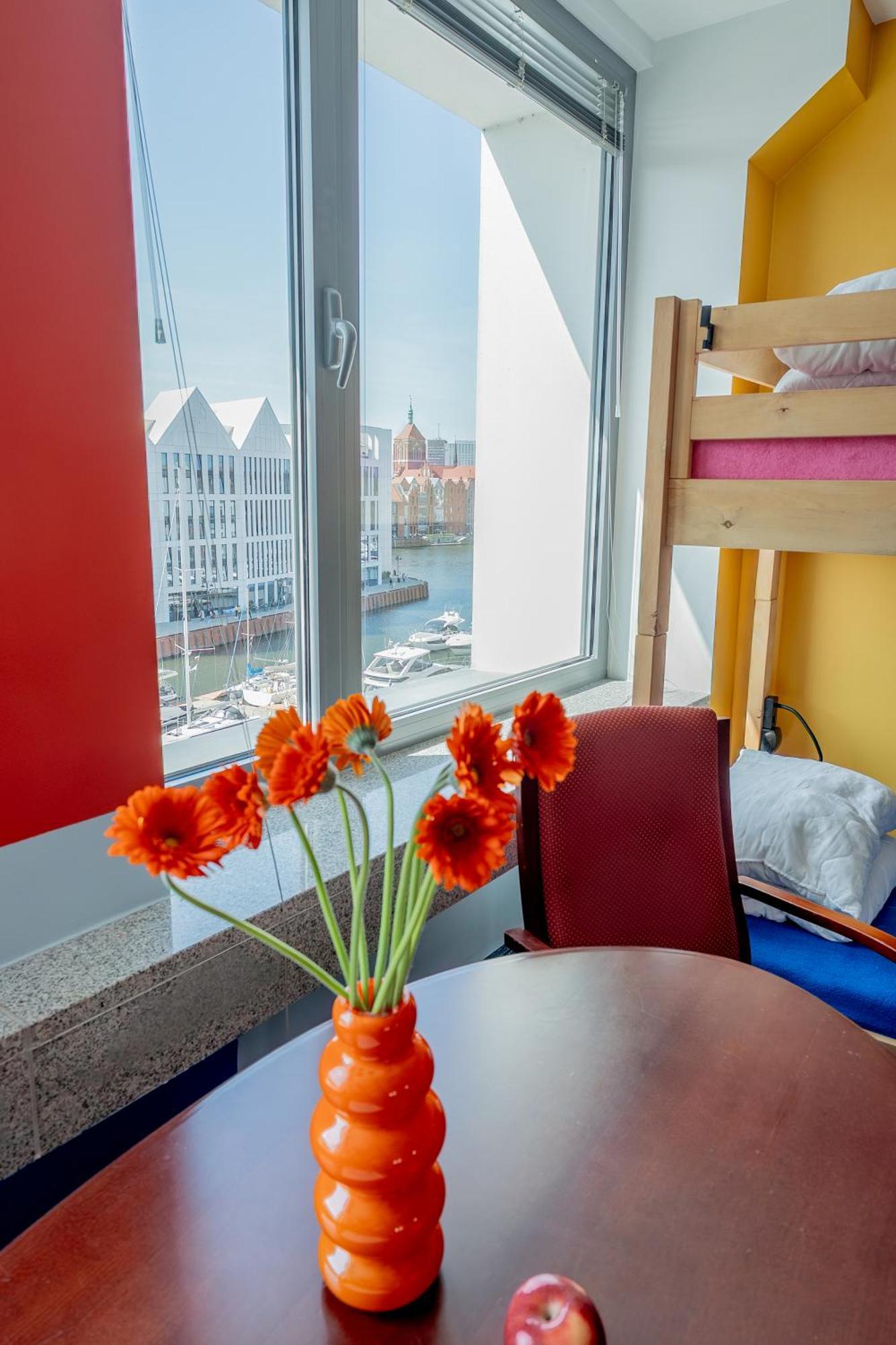
1. Bubble Hostel
Show on map


 Check-infrom 14:00 until 22:30Check-outuntil 10:00
Just a few rooms left at the best rate!
fromPLN 30
-
2. Globtroter Guest House
Show on map


 Check-infrom 14:00 until 23:59Check-outuntil 11:00
Just a few rooms left at the best rate!
fromPLN 82
-
3. Ginger Aparthostel
Show on map


 Check-infrom 15:00 until 23:59Check-outuntil 11:00
Hurry – almost gone at this price!
fromPLN 60
Best Premium Stays
These properties offer more structured amenities, branded consistency, or unique location advantages for guests who want a more complete hotel experience while staying centrally in Krakow.
-
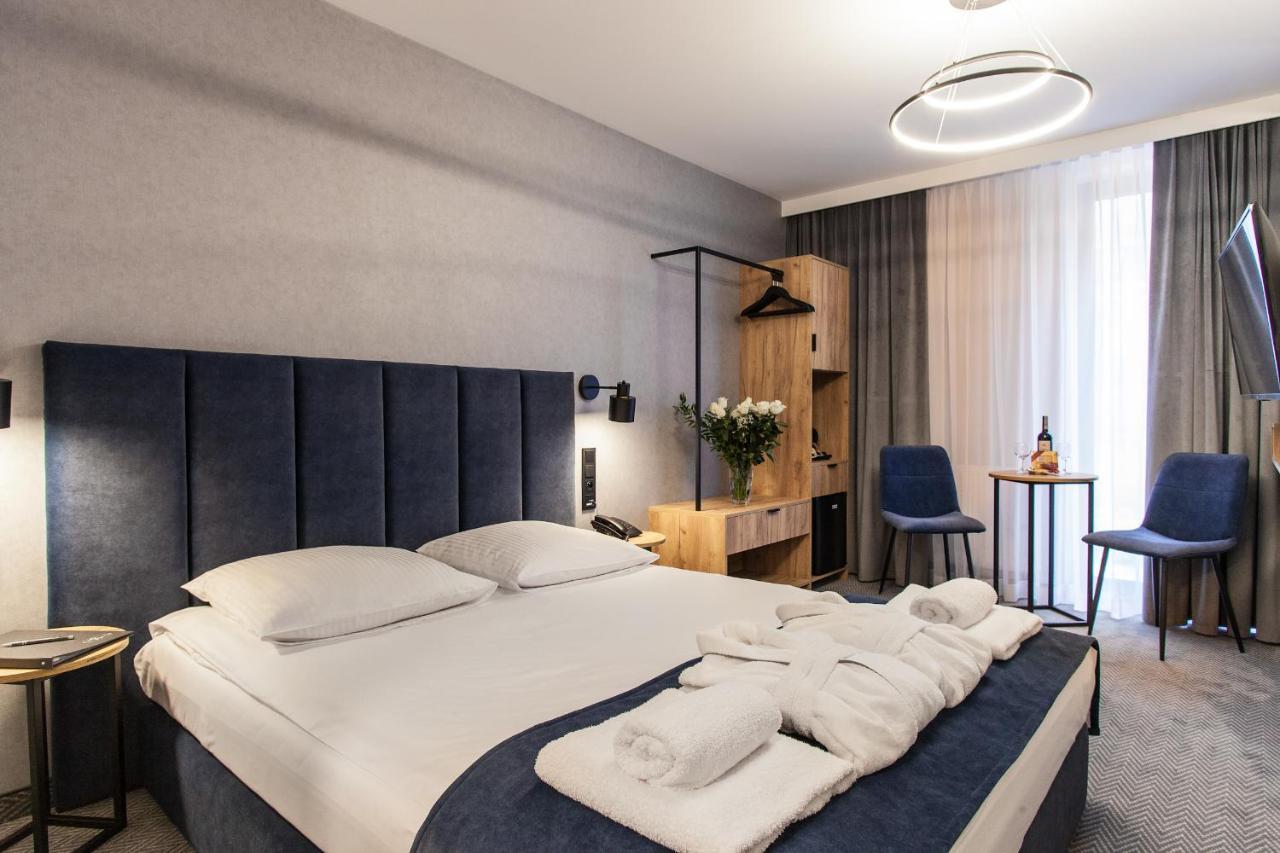
4. Meininger Krakow Centrum
Show on map


 Check-infrom 15:00 until 23:59Check-outfrom 01:00 until 11:00
Hurry – almost gone at this price!
fromPLN 78
-
5. Noclegi General
Show on map


 Check-infrom 14:00 until 20:00Check-outfrom 06:00 until 11:00
Rooms filling fast – secure the best rate!
fromPLN 301
Smart Travel & Timing Advice
Krakow's tourism peaks sharply in June, July, and August, when Old Town hotel rates can climb by around 40% compared to shoulder season prices in March-April or October-November. For a visit centered on Krakus Mound - an attraction that draws historically curious travelers rather than mass tour groups - the spring and autumn windows offer the clearest skies for the panoramic views from the summit and the most walkable conditions in Podgórze. April and May are particularly well-balanced: rates are reasonable, daylight hours are long enough for combining Krakus Mound with Schindler's Factory and Wawel Castle in a single day, and the Old Town is lively but not yet overwhelmed.
Most visitors find that 3 nights in Krakow is sufficient to cover the main sites including a half-day in Podgórze, with a 4th night worthwhile if adding a day trip to Wieliczka or Auschwitz-Birkenau. Booking 6 weeks ahead for peak summer stays is the minimum advisable lead time for well-reviewed central properties - some sell out earlier. Last-minute availability does appear in autumn and winter, but room choice and pricing flexibility narrow considerably. Winter visits (December-February) bring Krakow's Christmas market in the Rynek Główny, which drives a secondary price spike in early December that many travelers overlook when planning.