The Polish Carpathians stretch across the southern edge of Poland, covering the Bieszczady, Beskids, and Lesser Poland highlands - a region where mountain air, thermal traditions, and dense forest landscapes make spa-focused stays genuinely restorative rather than just cosmetic. These four spa hotels sit in distinct sub-regions, each offering a different gateway into the Carpathian terrain, from lakeside Solina to the Żywiec Beskids valley and the Dunajec reservoir. This guide breaks down what each property actually delivers so you can match it to your travel style before booking.
What It's Like Staying in the Polish Carpathians
The Polish Carpathians are not a compact urban destination - distances between key areas like Bieszczady, the Żywiec Beskids, and Gródek nad Dunajcem can exceed 150 kilometres, so your choice of base matters more than in city travel. Car travel is essential for most sub-regions; public transport is limited and infrequent outside of larger towns like Krosno or Żywiec. Summer (July-August) and winter ski season (December-February) bring the highest concentration of Polish domestic tourists, especially on weekends, which can affect restaurant availability and road congestion on Friday evenings.
This region rewards travellers who come for slow, nature-centred experiences - hiking in Bieszczady National Park, kayaking on the Dunajec, or simply detoxing from urban noise. Crowds thin dramatically on weekdays, even in peak season, making midweek stays significantly more peaceful. Those expecting urban nightlife, fast connectivity between sights, or flat terrain will find the Carpathians a challenging fit.
Pros:
- Exceptional landscape diversity - from alpine meadows (połoniny) in Bieszczady to reservoir lakes and forested Beskid valleys - all within one region
- Spa and wellness infrastructure is strongly embedded in local hotel culture, making high-quality thermal and sauna facilities genuinely accessible even in smaller mountain towns
- Significantly lower accommodation prices compared to equivalent mountain spa destinations in Austria or Slovakia
Cons:
- A personal car is practically mandatory - rail connections to Bieszczady and many Beskid valleys are either non-existent or require multiple slow regional train changes
- Weekend road traffic on routes like national road 28 near Krosno or around Solina can add significant travel time during peak summer months
- English-language menus and staff proficiency vary widely outside of larger hotel properties, requiring some basic Polish or translation tools
Why Choose Spa Hotels in the Polish Carpathians
Spa hotels in the Polish Carpathians are not urban wellness add-ons - they are purpose-built mountain retreats where the spa is typically the primary draw, not an afterthought. Properties here commonly feature saunas of multiple types, indoor pools, hot tubs, and treatment menus rooted in Central European balneology traditions, often complemented by mountain-view terraces or direct lake access. Prices remain competitive, with full spa-access packages often available at rates well below comparable Alpine resorts. Room sizes in this category tend to be generous by Polish standards, with balconies or lake-view terraces common at the four-star level.
The trade-off is location - these hotels are typically set away from town centres, meaning guests are largely dependent on the hotel's own restaurant, bar, and leisure facilities for the duration of their stay. This actually suits the detox-and-recharge traveller profile well, but those wanting daily access to shops, cafés, or cultural sights may find the isolation limiting. Spa hotel guests in this region typically stay around 3 nights, long enough to use the facilities properly and explore at least one key attraction nearby.
Pros:
- Multi-facility wellness centres (pools, saunas, steam rooms, hot tubs) included or easily accessible at most four-star properties without expensive day-pass fees
- Mountain or lakeside settings create a genuine sense of retreat - outdoor terraces and balcony rooms add real value to the spa experience
- Polish Carpathian spa hotels typically offer on-site restaurants with strong regional menus, reducing the need to leave the property in the evenings
Cons:
- Most properties are car-dependent, with no meaningful walkable town centres within easy reach
- Weekend occupancy spikes sharply with domestic tourists, so midweek stays offer both better rates and a calmer spa atmosphere
- Spa treatment booking slots can fill up days in advance during high season - advance reservation is strongly recommended
Practical Booking & Area Strategy for Carpathian Spa Stays
The Polish Carpathians cover four distinct sub-regions that attract different traveller profiles. Bieszczady, centred around Polańczyk and Lake Solina, is the wildest and most remote - best for walkers and those seeking genuine isolation. The Żywiec Beskids around Węgierska Górka offer easier access from Kraków (around 90 minutes by car) and suit active travellers who want skiing or cycling alongside spa time. Gródek nad Dunajcem, near the Czchów reservoir, sits closer to the Kraków-Nowy Sącz corridor and works well as a longer weekend escape with water-sport options. Krosno, in the Subcarpathian region, is the most urban of the four bases and retains easy road access via national road 28.
Book at least 4 weeks ahead for stays between late June and August, or during the December-January ski season - these are peak windows when spa hotel occupancy in the Carpathians runs high. For budget-conscious travellers, April-May and September-October offer the best value: the weather is stable enough for hiking and outdoor activities, crowds are minimal, and rates typically drop noticeably. The Museum of Oil and Gas Industry in Krosno, Bieszczady National Park trails, Lake Solina boat tours, and the Dunajec River Gorge near Szczawnica are the most visited attractions - plan day trips around these to structure your stay effectively.
Best Value Spa Hotels in the Polish Carpathians
These properties deliver strong spa and wellness infrastructure at accessible price points, each anchored in a distinct Carpathian sub-region with clear logistical advantages for their respective areas.
-
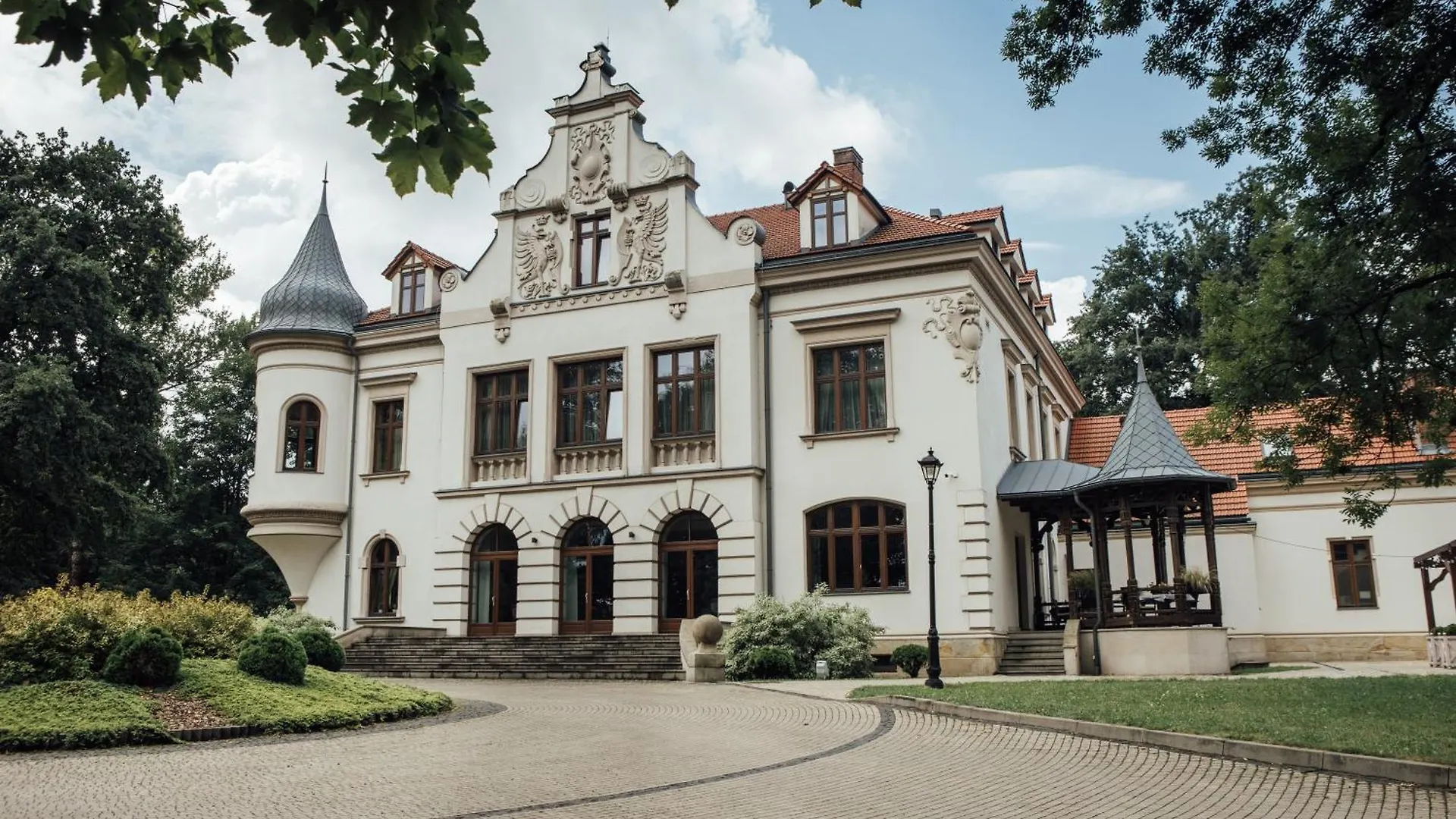
1. Palac Polanka
Show on map


 Check-infrom 14:00 until 23:59Check-outuntil 12:00
Just a few rooms left at the best rate!
fromPLN 384
-
2. Hotel Zacisze
Show on map


 Check-infrom 15:00 until 23:59Check-outuntil 11:00
Just a few rooms left at the best rate!
fromPLN 376
Best Premium Spa Hotels in the Polish Carpathians
These two properties offer elevated spa infrastructure, lakeside or reservoir settings, and broader leisure facilities - suited to travellers prioritising a more complete wellness and scenery experience in the Carpathians.
-
1. Heron Live Hotel Marina & Spa
Show on map


 Check-infrom 15:00 until 23:59Check-outuntil 11:00
Hurry – almost gone at this price!
fromPLN 868
-
4. Hotel Skalny Spa Bieszczady
Show on map


 Check-infrom 15:00 until 23:59Check-outuntil 10:00
Rooms filling fast – secure the best rate!
fromPLN 481
Smart Timing & Travel Advice for Carpathian Spa Hotels
The Polish Carpathians have two clear peak windows: July-August for summer hiking and lake activities, and December-February for skiing, particularly around the Żywiec Beskids. During these periods, spa hotel rates can rise significantly and weekend availability at properties like Hotel Skalny or Hotel Zacisze can be exhausted weeks in advance. Booking at least 5 weeks ahead for peak-season weekends is a practical minimum.
September and October are arguably the most rewarding months for spa-focused stays: forest colours in Bieszczady peak in late September (locally known as the 'Golden Bieszczady'), hiking trails are uncrowded, and hotel rates return to off-peak levels without the wet instability of spring. A minimum of 3 nights is genuinely needed to make proper use of multi-facility spa complexes like those at Heron Live or Hotel Skalny - arrival-day fatigue and a full departure morning leave only one full day if you book shorter. Last-minute availability does open up on weekdays outside peak season, but spa treatment slots - particularly massages and thermal sessions - rarely appear last-minute at the better properties, so those should be reserved in advance regardless of when you book.