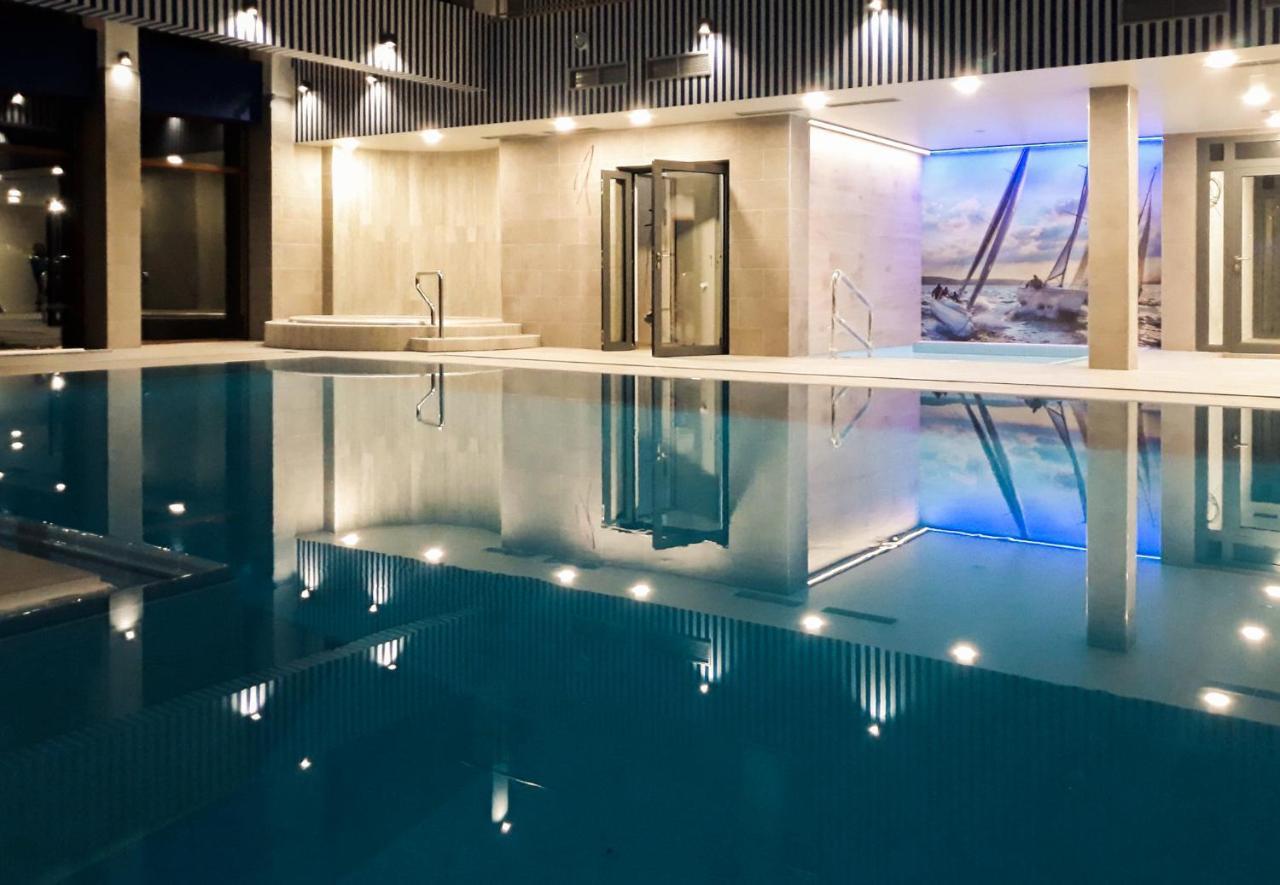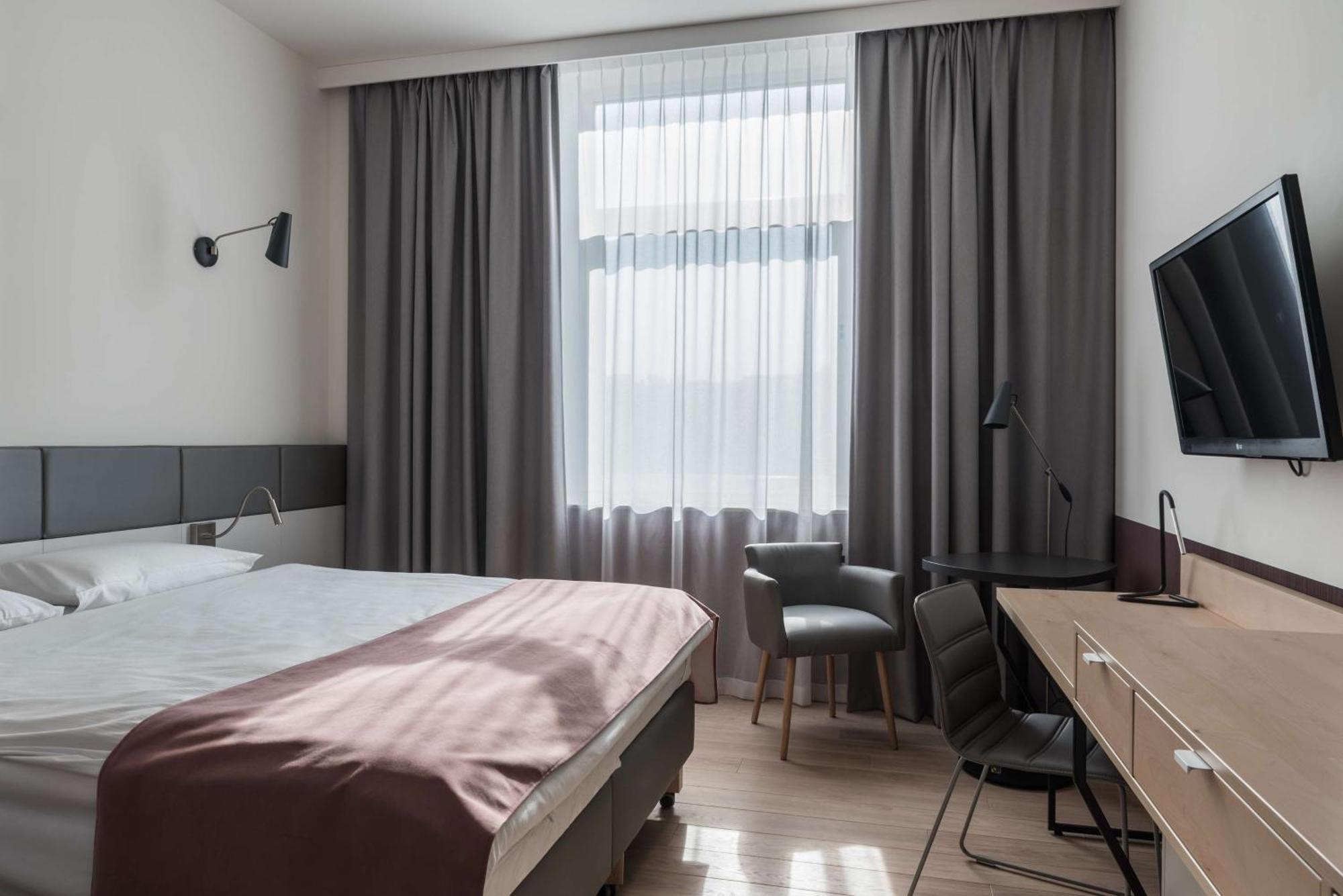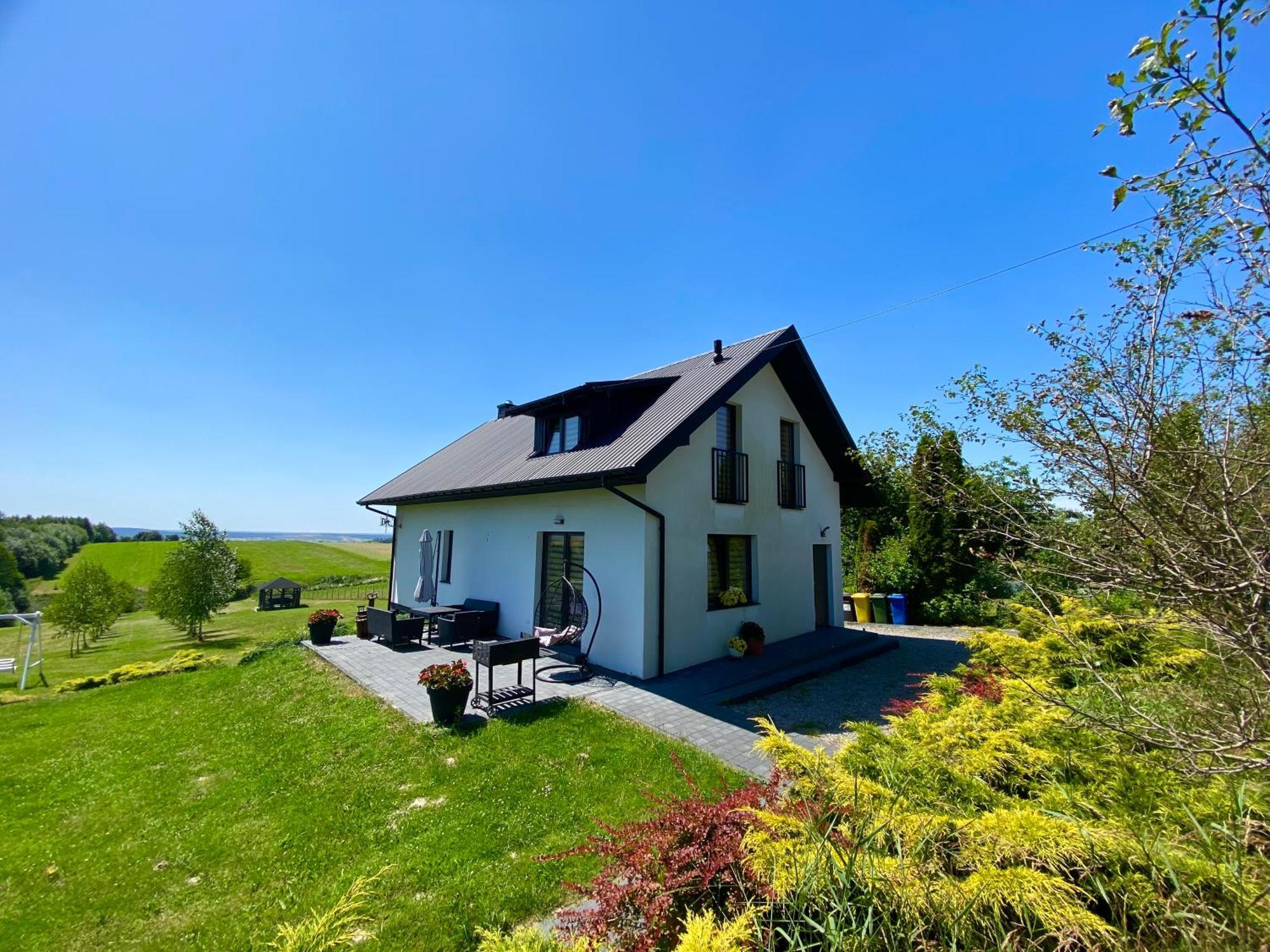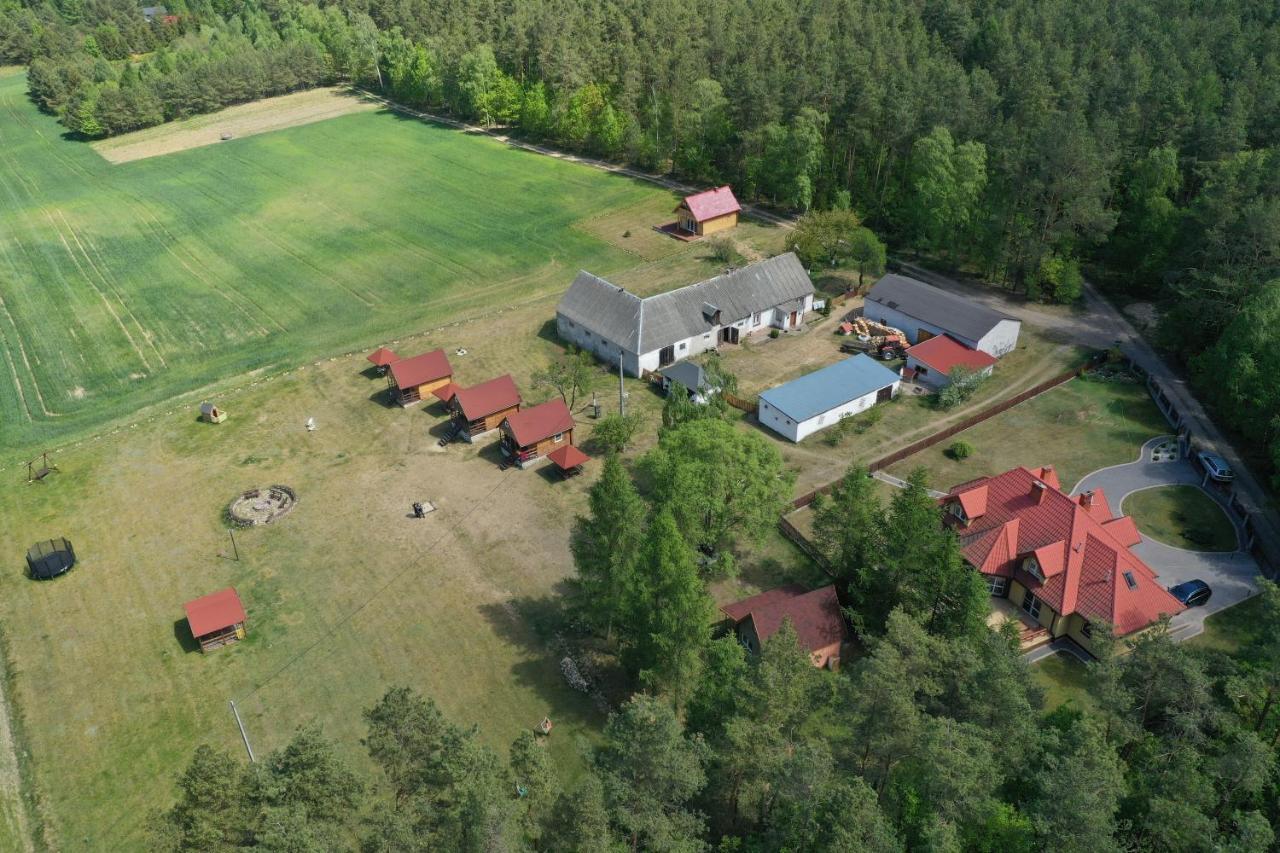
Poland's spa hotel scene goes well beyond basic wellness packages - from sulfidic water treatments in Busko-Zdrój to lakefront resorts in the Drawsko Lake District and manor estates tucked into the Lublin countryside. This guide covers 6 concrete options across different regions, with direct comparisons to help you choose where to stay based on what actually matters: location, facilities, access, and value.
What It's Like Staying in Poland
Poland is a country of striking contrasts - medieval old towns like Kraków and Wrocław sit alongside dense forests, glacial lakes in Masuria, and thermal spa towns like Uniejów and Busko-Zdrój that have been drawing health-focused visitors for generations. Spa tourism in Poland is genuinely rooted in tradition, with many resorts built around natural mineral and thermal waters rather than simply offering imported wellness menus. Crowd patterns vary significantly: Warsaw and Kraków attract urban tourists year-round, while countryside spa properties in Łódź's surroundings or the West Pomeranian lake district see their peak activity between May and September, with a notable winter spike around Christmas and New Year. Around 60% of guests at rural Polish spa hotels are domestic travelers seeking weekend escapes, which means weekday rates and availability are often more accessible for international visitors.
Pros:
- Natural thermal and mineral water spa facilities found in specific towns not replicated elsewhere in Central Europe
- Wide geographic spread - spa hotels accessible from Kraków, Warsaw, Wrocław, and Szczecin without long drives
- Competitive pricing compared to equivalent spa properties in Austria or the Czech Republic
Cons:
- Rural spa locations often require a car - public transport to countryside estates is limited or infrequent
- English-language signage and staff fluency can be inconsistent at smaller provincial spa towns
- Weekend and holiday rates at popular spa resorts spike sharply - last-minute bookings during Polish public holidays are rarely good value
Why Choose a Spa Hotel in Poland
Spa hotels in Poland occupy a distinct category: many are purpose-built around therapeutic traditions - sulfidic baths, peat treatments, and thermal pools - rather than simply offering a sauna add-on to a standard hotel stay. This gives Polish spa properties a depth of wellness programming that feels genuinely medical-adjacent, not decorative. Prices at Polish spa hotels average around 30% lower than comparable properties in Germany or Austria, with full-board spa packages at 4-star rural estates regularly coming in under what a basic wellness weekend costs in the Alps. Room sizes at resort-style properties outside major cities tend to be generously proportioned, with many offering bungalows, suites, or lakeside units with private terraces. The main trade-off is access - the most compelling spa properties are deliberately remote, meaning they function well as multi-night stays but poorly as base camps for city sightseeing.
Pros:
- Therapeutic spa treatments (sulfidic water, peat pulp, thermal baths) grounded in local natural resources
- Resort formats with multiple pools, outdoor activities, and full dining - self-contained stays possible without leaving the property
- Strong breakfast standards at Polish spa hotels, frequently rated exceptional by guests
Cons:
- Most top spa properties are 30-85 km from major airports, requiring transfers or a rental car
- Spa treatment bookings at popular resorts fill fast on weekends - walk-in access is rarely guaranteed
- Properties near spa towns (Busko-Zdrój, Uniejów) attract older, quieter guest demographics - not suited to lively nightlife seekers
Practical Booking & Area Strategy
Poland's spa hotel geography splits into four distinct zones, each with a different traveler logic. Uniejów and Busko-Zdrój are the only two towns in Poland with certified thermal and sulfidic spa infrastructure, making them the go-to choices for visitors specifically chasing therapeutic water treatments. The Drawsko Pomorskie and Sulęcin areas in western Poland deliver lakefront resort experiences with outdoor activities built in - best for travelers combining wellness with canoeing, fishing, or forest hiking. The Lublin region (Wierzchowiska) and Kujawy-Pomerania areas offer manor-house estate stays that blend heritage architecture with spa facilities - appealing for longer countryside retreats. Transport-wise, Szczecin-Goleniów Airport is the most useful entry point for West Pomeranian resorts, while Łódź Airport serves Uniejów in under an hour. Booking at least 3 weeks ahead for weekend stays is strongly recommended - Polish domestic demand for spa weekends is consistent, and premium rooms with thermal or lake access sell out first.
Spa Hotels in Western Poland & Thermal Towns
This group covers spa hotels anchored in Poland's therapeutic spa towns and western lake district - properties where the wellness infrastructure is the primary reason to stay.
-
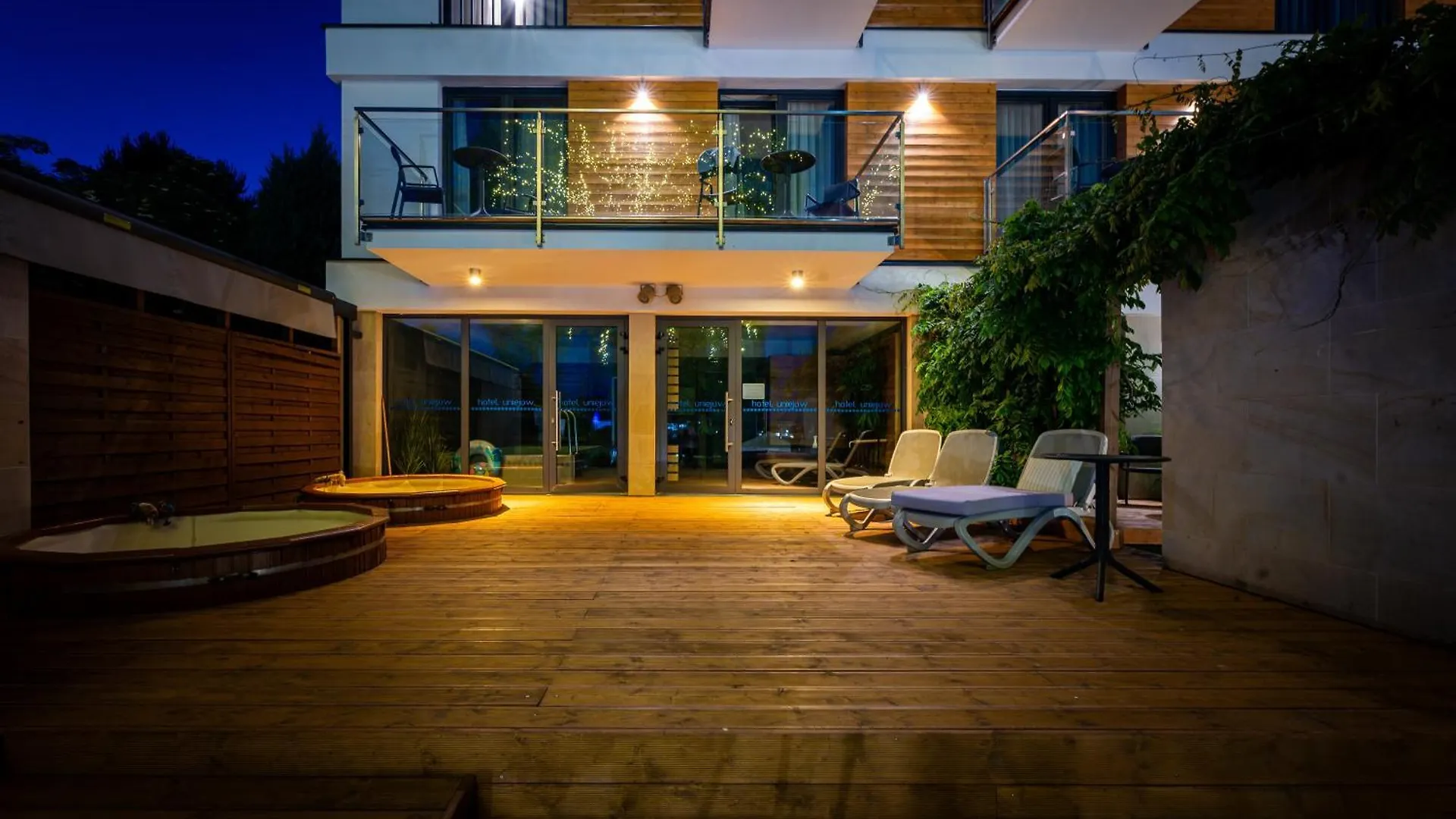
1. Hotel Uniejow
Show on map


 Check-infrom 14:00 until 23:59Check-outuntil 12:00
Just a few rooms left at the best rate!
fromPLN 346
-
2. Hotel Kormoran Resort & Spa
Show on map


 Check-infrom 16:00 until 23:59Check-outuntil 11:00
Just a few rooms left at the best rate!
fromPLN 428
-
3. Okra Resort & Spa
Show on map


 Check-infrom 15:00 until 23:59Check-outuntil 11:00
Hurry – almost gone at this price!
fromPLN 443
Spa Hotels in Central & Eastern Poland
These properties are spread across Poland's therapeutic spa heartland and manor estate belt - from sulfidic water treatment centres in Busko-Zdrój to countryside palace hotels in the Lublin and Kujawy-Pomerania regions.
-
4. Bristol Art & Medical Spa
Show on map


 Check-infrom 15:00 until 23:59Check-outuntil 12:00
Hurry – almost gone at this price!
fromPLN 383
-
5. Dwor Sanna
Show on map


 Check-infrom 15:00 until 23:59Check-outuntil 11:00
Rooms filling fast – secure the best rate!
fromPLN 811
-
3. Hotel Palac Poledno
Show on map


 Check-infrom 15:00 until 22:00Check-outfrom 06:00 until 11:00
Rooms filling fast – secure the best rate!
fromPLN 257
Smart Travel & Timing Advice for Spa Hotels in Poland
The best window for booking a spa hotel in Poland without paying peak premiums is between mid-September and mid-November - after summer crowds thin and before Christmas rates kick in. May and June are the sweet spot for combining good weather with manageable prices, particularly at lake-district resorts in West Pomerania where outdoor activities are central to the stay. Polish spa towns like Uniejów and Busko-Zdrój see consistent demand from domestic health tourists throughout the year, so rooms here rarely drop dramatically - the difference between peak and shoulder rates is closer to 20% than the 40%+ swings seen at coastal or mountain properties. July and August bring the highest occupancy at rural and lakeside spa resorts, with weekend availability often exhausted 4-5 weeks in advance. For therapeutic spa stays requiring specific treatment bookings, contacting the property directly before arrival is more reliable than relying on in-stay availability. A minimum stay of 3 nights is the practical threshold to get genuine value from a Polish spa hotel - most treatment programs and wellness packages are structured around multi-day visits rather than overnighters.