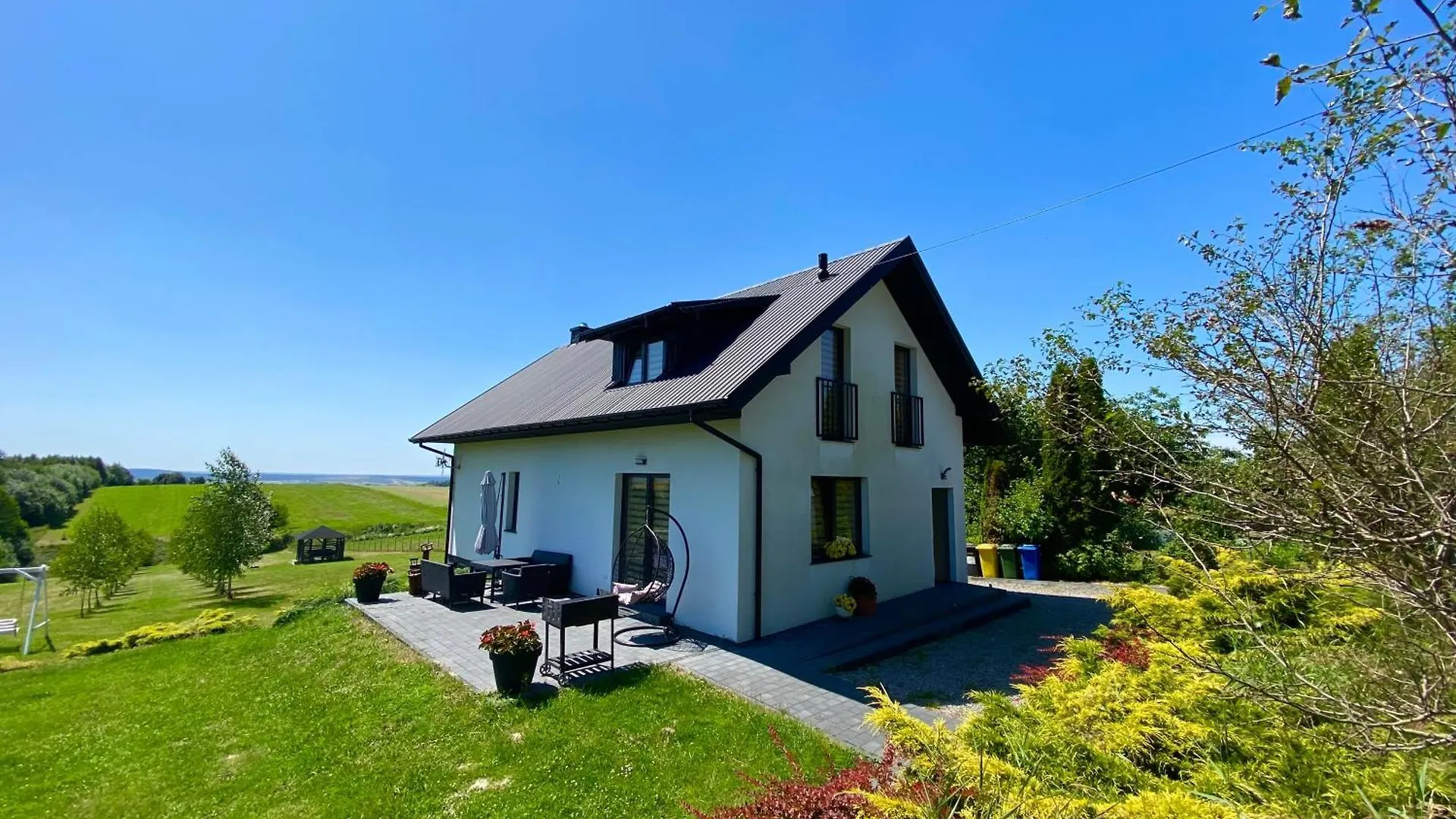
Poland consistently ranks among Europe's best destinations for travelers who want quality accommodation without inflated prices. From the forested hills of Świętokrzyskie to the spa town of Busko-Zdrój and the rural retreats of Podlaskie, the country offers a wide spread of hotel types where guest ratings for value for money regularly outperform Western European equivalents. This guide cuts through the noise and focuses on four highly rated properties across Poland where price-to-quality ratios stand out - based on real facilities, location logic, and what each property actually delivers.
What It's Like Staying in Poland
Poland's accommodation landscape is defined by genuine regional diversity - the Carpathian foothills in the south, the Masurian Lakes in the northeast, the UNESCO-protected old towns of Kraków and Warsaw in between, and spa resorts scattered across the central lowlands. Tourist density drops sharply outside Warsaw and Kraków, meaning rural and semi-rural properties offer both quiet and competitive pricing that urban Western Europe simply cannot match. Agritourism (agroturystyka) is a legally recognized accommodation category in Poland, heavily regulated and often family-run, which translates to consistently high cleanliness standards and personal service.
Crowd patterns are highly seasonal: summer (July-August) and Christmas markets (late November-December) push occupancy up across most regions, while spring and autumn offer the best balance of availability and price. Świętokrzyski National Park and Podlaskie's Biebrza marshes attract serious nature travelers, not mass tourism crowds, keeping the surrounding accommodation scene calm and relatively affordable year-round.
Pros:
Rural properties in Poland frequently include free private parking, gardens, and kitchen access - amenities that cost extra in most EU countries
Poland's zloty (PLN) currency means non-EU travelers often find effective savings of around 20% compared to similarly rated Czech or Slovak alternatives
Regional diversity is genuine - staying in Podlaskie, Świętokrzyskie, or Lubuskie gives entirely different landscapes and cultural contexts within a single trip
Cons:
English-language signage and staff fluency drops significantly outside major cities, requiring basic Polish or translation apps
Public transport links to rural agritourism properties are limited - a car is near-essential for most of the properties featured here
Some rural areas have limited evening dining options outside the property itself, particularly on weekdays
Why Choose Value-Rated Hotels in Poland
Hotels and rural stays rated highly for value for money in Poland tend to share a specific profile: newer builds or recently renovated properties in secondary cities and countryside locations, where land costs are lower and owners compete on quality rather than location premium. A 2-star hotel opened in 2020 in Busko-Zdrój, for example, offers balconies, air conditioning, and a highly rated breakfast at a fraction of what a comparable room costs in Kraków or Warsaw. Room sizes in rural Polish properties tend to be generous - 20-30 m2 is common even at entry price points - partly because demand pressure is lower and partly because agritourism standards encourage livable, functional spaces.
The trade-off with value-focused properties in Poland is primarily about connectivity: these hotels sit in towns or villages where foot traffic is low, evening activity options are limited to what the property itself provides, and getting to major attractions requires planning. Guests who rent a car gain access to national parks, cave systems, and historic palaces that would otherwise be inaccessible. Properties that combine accommodation with gardens, terraces, play areas, and on-site kitchens effectively reduce daily spend significantly compared to city-center hotels relying on external restaurants for every meal.
Pros:
Free private parking is standard at value-rated rural hotels in Poland - a genuine cost saving of around 15-25 PLN per day compared to urban alternatives
Many properties include kitchen facilities, reducing food costs substantially on multi-night stays
Newer builds (post-2018) in secondary Polish cities frequently offer modern bathroom fittings, flat-screen TVs, and reliable WiFi at 2-star price points
Cons:
Restaurant and dining options within walking distance are scarce at most rural properties
Seasonal demand spikes in summer can reduce availability at smaller properties with few rooms
Pet-friendly and family-specific facilities are not universal - guests with children or animals need to confirm amenities in advance
Practical Booking & Area Strategy for Poland
Poland's most strategically useful base for first-time visitors remains Kraków - it sits within driving distance of Świętokrzyski National Park, the Wieliczka Salt Mine, and the Ojców National Park. For travelers specifically targeting spa tourism, Busko-Zdrój is the dominant spa resort in central Poland, drawing visitors for sulphur baths and radon-mineral treatments, and its hotels tend to fill during Polish public holidays and long weekends from Warsaw (around 200 km away). Podlaskie in the northeast - where Białystok serves as the regional hub - is the least-touristed region in this selection, making it a legitimate hidden gem for travelers seeking Biebrza National Park's birdwatching or Białowieża Forest's bison reserve without crowds.
The Lubuskie region (western Poland, bordering Germany) is underused by international travelers despite its wine route, the Odra River corridor, and proximity to the German border crossing - properties here can represent genuine value partly because demand is domestically driven. Book rural Polish properties at least 6 weeks ahead for July and August, as smaller agritourism properties - often with fewer than 10 rooms - sell out quickly during peak domestic holiday weeks. For autumn and spring visits, last-minute rates are common and availability is rarely a problem outside major city-center hotels.
Transport insight: Poland's intercity rail (PKP Intercity) connects Warsaw, Kraków, Wrocław, and Poznań efficiently, but branch lines to smaller towns are slow. A rental car remains the most practical tool for visiting the specific locations featured in this guide.
Rural & Agritourism Stays
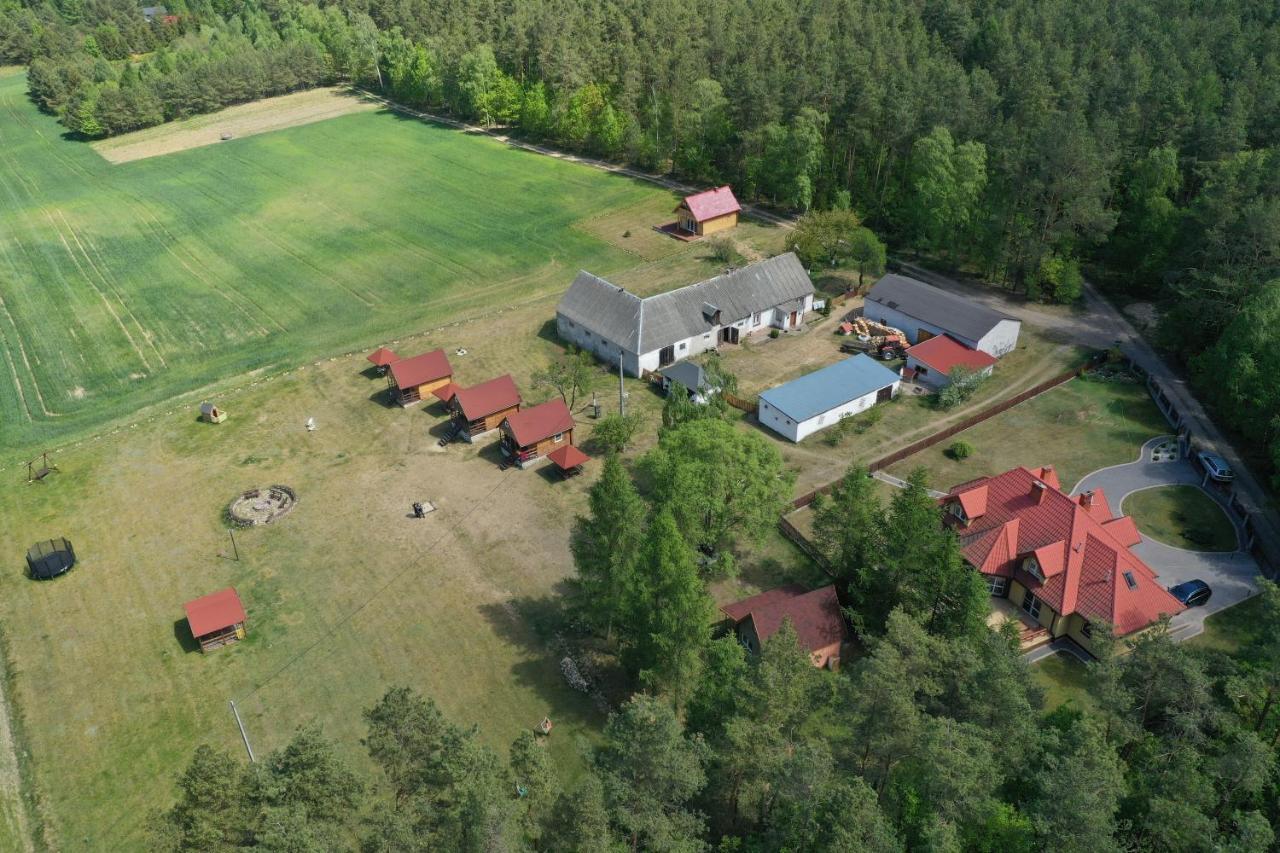
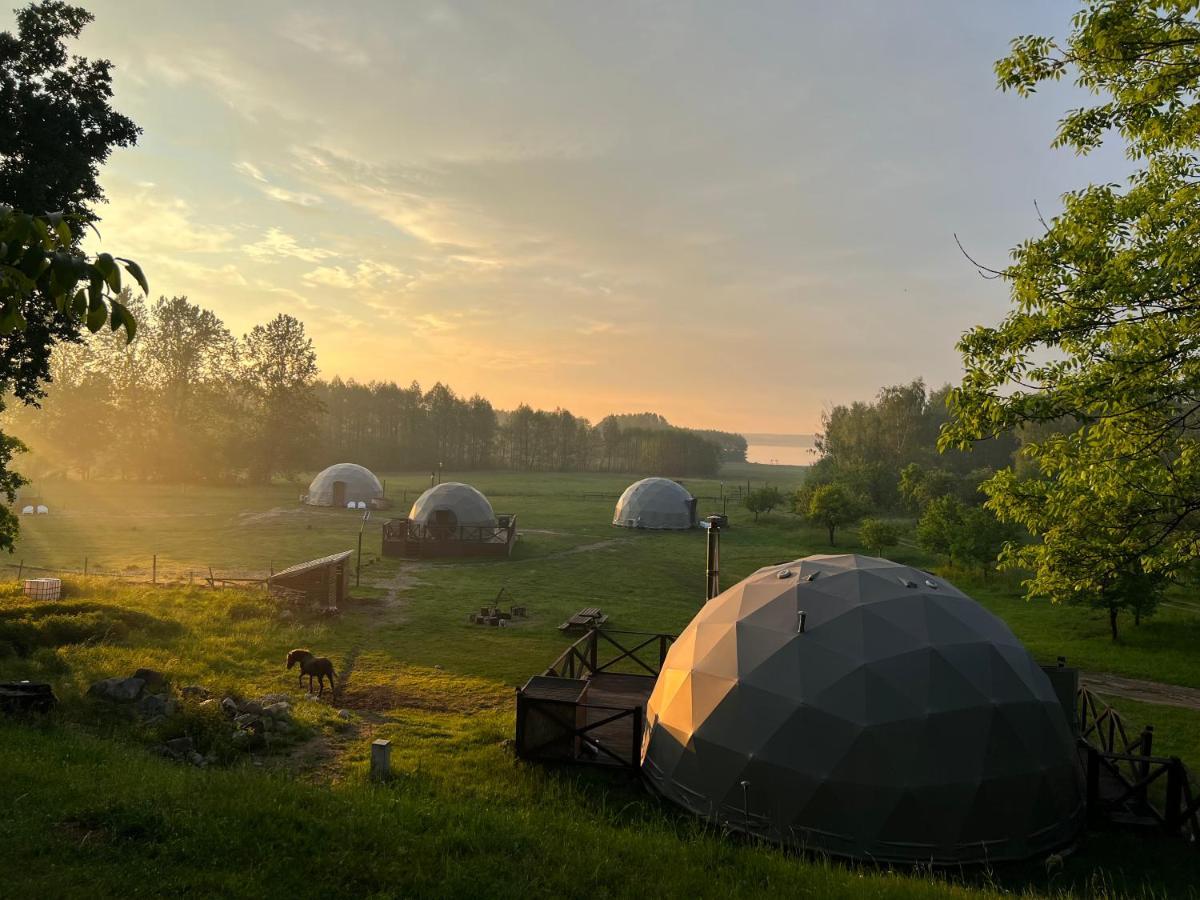
These two properties represent Poland's agritourism sector at its most practical - both offer private entrances, garden access, kitchen facilities, and genuine rural settings with proximity to national parks and regional attractions.
-
1. Agroturystyka Zdolina
Show on map


 Check-infrom 14:00 until 18:00Check-outfrom 08:00 until 10:00
Just a few rooms left at the best rate!
fromPLN 260
-
2. Zacisze Zielone Ogrody
Show on map


 Check-infrom 15:00 until 23:59Check-outuntil 11:00
Just a few rooms left at the best rate!
fromPLN 171
Hotels in Secondary Cities & Spa Towns
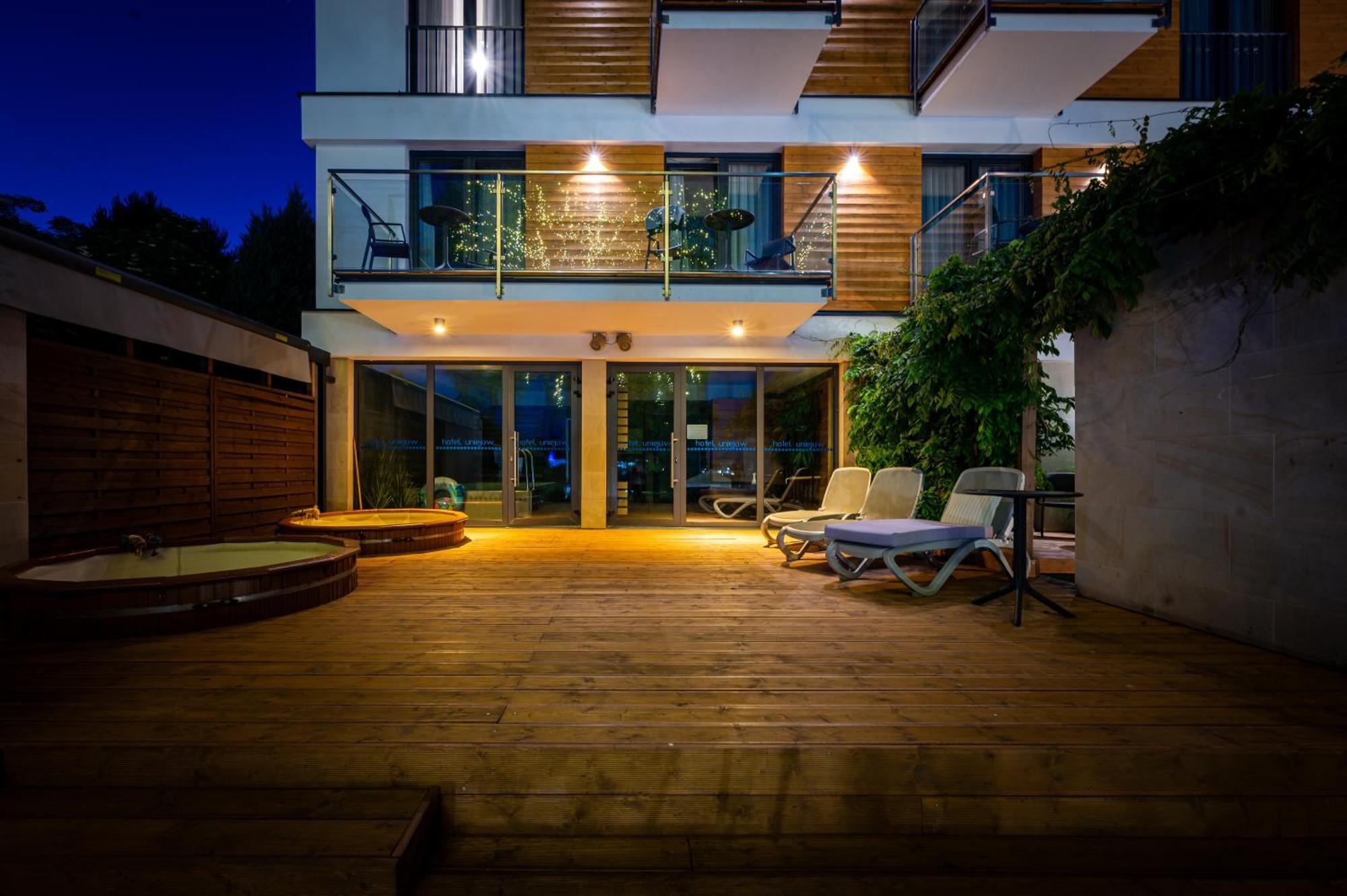
These two hotel properties are based in town settings - one in a spa resort destination in central Poland, one near Zielona Góra in the Lubuskie region - both rated strongly for value by guests and offering structured hotel amenities rather than self-catering setups.
-
3. Hotel Pan Tadeusz
Show on map


 Check-infrom 14:00 until 23:59Check-outuntil 12:00
Hurry – almost gone at this price!
-
4. Hotel Brzozowka
Show on map


 Check-infrom 15:00 until 22:00Check-outfrom 06:00 until 11:00
Rooms filling fast – secure the best rate!
fromPLN 335
Smart Travel & Timing Advice for Poland
Poland's peak domestic travel season runs from late June through August, when school holidays push occupancy at rural properties and spa towns to near capacity. Prices at smaller agritourism properties can rise by around 30% during these weeks compared to May or September rates, and properties with fewer than 10 rooms - like several of the options here - regularly sell out. Booking 6 to 8 weeks ahead for any July or August stay is strongly advisable for rural properties in Świętokrzyskie and Podlaskie.
May and September represent the best tactical windows: crowds are thin, landscapes are at their most photogenic (spring wildflowers in Świętokrzyskie, amber autumn light in Podlaskie), and last-minute availability is common at competitive rates. Busko-Zdrój operates year-round as a spa destination, but Polish public holidays - especially the long weekends around Constitution Day (May 3rd) and All Saints' Day (November 1st) - drive sharp short-term demand spikes. Minimum stay requirements of 2 nights are common at Polish agritourism properties during peak weekends, so single-night bookings may be unavailable or priced at a premium. For winter visits, Świętokrzyskie and Lubuskie are quiet but functional, with most properties staying open and offering genuine value for travelers prioritizing budget over weather.