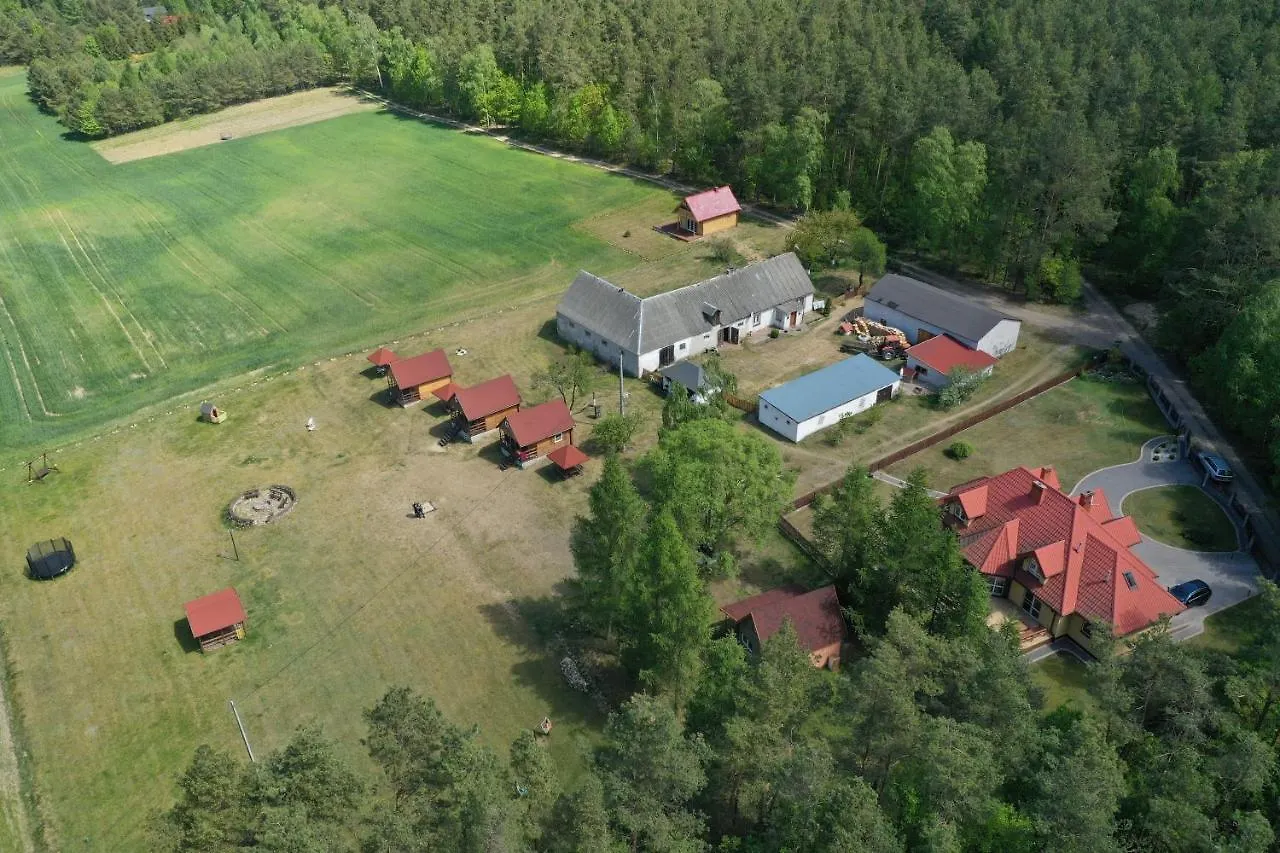
Poland is one of Europe's most underrated destinations for extended group stays - offering a rare combination of lakeside wilderness, forested valleys, mountain foothills, and historic countryside estates, all at rates significantly lower than Western European equivalents. From the Masurian Lake District in the northeast to the Karkonosze mountains near the Czech border, groups booking multi-bedroom properties here will find space, privacy, and outdoor access that urban hotels simply cannot replicate. This guide covers 14 hand-selected properties across Poland suited for extended group travel, with honest assessments of what each offers and where trade-offs exist.
What It's Like Staying in Poland as a Group
Poland's landscape shifts dramatically by region - the Masuria district alone contains over 2,000 lakes, while the south offers forested Roztocze hills, the Tatra Mountains, and the cultural weight of Kraków. For groups, this geographic diversity means you can tailor a stay entirely around outdoor activity, cultural exploration, or pure retreat, without the premium charged in more touristic Central European countries. Rural properties in Poland consistently offer larger living spaces than equivalent-price options in Germany or Austria, with multi-bedroom chalets and farmhouses often including private beaches, saunas, and fully equipped kitchens as standard. Crowd pressure is concentrated in Kraków's Old Town and Gdańsk's waterfront during summer, but the lake districts and rural Podlaskie region remain genuinely quiet even in peak July. Groups seeking nightlife or urban dining will find Warsaw and Kraków adequate, though most of the properties in this guide are positioned in areas where the value lies outdoors, not in urban amenity.
Pros:
- Multi-bedroom properties with private beaches, saunas, and outdoor fireplaces at prices well below Western European equivalents
- Diverse natural landscapes - lakes, forests, mountains, and river valleys - within manageable driving distance between regions
- Low crowd density outside Kraków and Gdańsk, especially in Masuria, Podlaskie, and Roztocze areas
Cons:
- Most group-friendly rural properties require a car - public transport to lakeside and forest locations is infrequent or nonexistent
- Restaurant and grocery options near rural retreats can be limited, making self-catering a necessity rather than a choice
- Olsztyn-Mazury Airport has limited direct international connections, meaning most international groups route through Warsaw or Kraków
Why Choose Group Accommodation in Poland
Poland's group accommodation market - chalets, osadas, holiday homes, and rural resorts - offers a structural advantage over hotel blocks: shared living spaces, private outdoor areas, and kitchens designed for groups cooking together, all under one roof rather than spread across separate hotel rooms. A fully equipped 5-bedroom lakeside property in Masuria can cost around 60% less per person per night than a comparable multi-room hotel block in the Czech Republic or Hungary. Most group properties in Poland include amenities that in other countries would carry surcharges - saunas, barbecue areas, outdoor fireplaces, and private beach access are standard in the mid-range segment. The trade-off is that check-in is often unstaffed or requires coordination with private owners, and properties outside resort clusters may lack 24-hour front desk service. Groups that need concierge-level logistics should prioritize properties like Osada Zaborek (which has a 24-hour front desk) or Siedlisko Pozorty, rather than purely self-catering chalets. Groups celebrating events - birthdays, reunions, corporate retreats - will find that most Polish rural properties allow barbecues and outdoor gatherings without the event surcharges common in Western European destinations.
Pros:
- Shared kitchen, living, and outdoor space keeps the group together rather than separated across individual hotel rooms
- Saunas, private beach access, and barbecue facilities included as standard in most mid-range group properties
- No event surcharges for barbecues or outdoor gatherings at most rural Polish properties
Cons:
- Many properties are privately managed with unstaffed or limited reception hours - coordination is required in advance
- Self-catering is often the only dining option, especially for properties in forested or lakeside areas far from restaurants
- Group properties in Poland are in high demand during school holiday weeks in July and August - availability drops sharply without early booking
Practical Booking & Area Strategy for Groups in Poland
The Masurian Lake District (Warmia-Masuria region) is the strongest base for water-based group stays - properties like Siedlisko Pozorty and Mazurskie Zacisze offer private lake access and direct cycling routes, with Olsztyn-Mazury Airport roughly 118 km away and Warsaw Chopin Airport serving as the main international hub at around 200 km. For groups combining a city visit with rural retreat, the Kraków corridor is strategically useful: AirPark Balice sits 1 km from John Paul II International Airport, making it a practical layover base, while Western Camp Resort in Zator positions groups within 20 km of the Auschwitz-Birkenau Memorial - a common itinerary stop. The Podlaskie region (Białystok area) is the most affordable cluster in this selection, with Zacisze Zielone Ogrody and Domek Mani offering quiet rural stays near the Białowieża Forest corridor. Lower Silesia, represented by Bajkowe Domki in Kudowa-Zdrój, gives mountain-facing groups a base near Errant Rocks (12 km) and the Karkonosze foothills. Pomerania properties - Grzybowska Osada and Ośrodek Wypoczynkowy Jeziornik - are positioned within driving range of Gdańsk Lech Wałęsa Airport (57-77 km), making them accessible for groups flying into the north. Booking at least 8 weeks in advance is strongly recommended for summer stays across all lake and mountain properties.
Masurian & Warmia Lake District Group Stays
This cluster covers properties in the Warmia-Masuria region - Poland's lake district heartland - where group stays are built around water access, cycling, and off-grid privacy. These are the strongest options for groups prioritizing lakeside location and outdoor activity over urban connectivity.
-
1. Samosiejka - Z Widokiem Na Jezioro
Show on map


 Check-infrom 15:00 until 22:00Check-outfrom 08:00 until 12:00
Just a few rooms left at the best rate!
fromPLN 480
-
2. Siedlisko Pozorty
Show on map


 Check-infrom 16:00 until 23:30Check-outfrom 08:00 until 10:00
Rooms filling fast – secure the best rate!
fromPLN 498
-
3. Mazurskie Zacisze - Sauna, Jacuzzi, Kominek
Show on map


 Check-infrom 16:00 until 23:00Check-outfrom 09:00 until 10:00
Hurry – almost gone at this price!
Podlaskie & Eastern Poland Group Retreats
Eastern Poland's Podlaskie region is the quietest and most affordable cluster in this guide - properties here sit near the Białowieża Forest edge and Białystok's cultural sites, with low traffic and strong self-catering infrastructure. Best suited for groups seeking rural seclusion over outdoor sports infrastructure.
-
4. Zacisze Zielone Ogrody
Show on map


 Check-infrom 15:00 until 23:59Check-outuntil 11:00
Rooms filling fast – secure the best rate!
fromPLN 171
-
5. Domek Mani
Show on map


 Check-infrom 15:00 until 21:00Check-outfrom 07:00 until 10:00
Hurry – almost gone at this price!
fromPLN 536
-
6. Villa Margo
Show on map


 Check-infrom 15:00 until 23:59Check-outfrom 04:00 until 11:00
Rooms filling fast – secure the best rate!
fromPLN 275
Kraków Region & Southern Poland Group Accommodation
The Kraków corridor and Subcarpathian region offer the most logistically convenient group stays for international arrivals - John Paul II International Airport connects to properties in Balice and Zator within 36 km. This zone also includes access to Auschwitz-Birkenau, Wawel Royal Castle, and the Roztocze National Park.
-
7. Airpark Balice
Show on map


 Check-infrom 14:00 until 23:59Check-outfrom 01:00 until 12:00
Just a few rooms left at the best rate!
fromPLN 175
-
8. Western Camp Resort
Show on map


 Check-infrom 16:00 until 22:00Check-outfrom 07:00 until 11:00
Just a few rooms left at the best rate!
fromPLN 662
-
9. Sosnowa Osada
Show on map


 Check-infrom 15:00 until 22:00Check-outfrom 06:00 until 11:00
Just a few rooms left at the best rate!
fromPLN 498
Pomerania & Lower Silesia Group Properties
Pomerania's lake and forest properties sit within range of Gdańsk Lech Wałęsa Airport (57-77 km), while Bajkowe Domki in Kudowa-Zdrój covers the mountain-adjacent southwest near the Czech border. These are strong options for groups flying into northern or southwestern Poland.
-
10. Osrodek Wypoczynkowy Jeziornik
Show on map


 Check-infrom 16:00 until 19:00Check-outfrom 09:00 until 11:00
Hurry – almost gone at this price!
fromPLN 580
-
11. Grzybowska Osada
Show on map


 Check-infrom 16:00 until 20:00Check-outfrom 08:00 until 11:00
Best price guarantee
fromPLN 524
-
12. Bajkowe Domki
Show on map


 Check-infrom 15:00 until 22:00Check-outfrom 01:00 until 10:00
Rooms filling fast – secure the best rate!
fromPLN 640
-
13. Osada Zaborek
Show on map


 Check-infrom 16:00 until 19:00Check-outfrom 06:00 until 11:00
Hurry – almost gone at this price!
fromPLN 383
- Show on map
Best price guarantee
Smart Travel & Timing Advice for Group Stays in Poland
The peak demand window for group properties in Poland runs from late June through August, with school holiday weeks in July seeing the sharpest occupancy spikes - particularly in the Masurian Lake District and Lower Silesian mountain properties. Booking at least 8 weeks before a July or August stay is the minimum viable lead time for multi-bedroom properties; popular lake district chalets with saunas and private beach access often sell out months earlier. May, early June, and September offer the best value-to-experience ratio: weather is stable for outdoor activity, prices are lower, and crowd pressure at popular sites like Errant Rocks and the Kaszuby Ethnographic Park drops substantially. For groups visiting the Auschwitz-Birkenau Memorial, morning arrival (before 10:00) reduces wait times considerably regardless of season. Winter stays (December-February) in mountain properties like Bajkowe Domki and Sosnowa Osada can work well for groups prioritising sauna culture and fireplace evenings, though road conditions in the Karkonosze foothills require careful planning. A minimum 3-night stay makes logistical sense for most rural properties given travel times from major airports - shorter stays don't justify the transfer distances from Warsaw or Kraków to lake or forest locations.